About Us
Who we are
The Bukharian Jewish Congress is dedicated to strengthening, supporting, and uniting the Bukharian Jewish community. Through educational, cultural, charitable, and community-based initiatives, we work to preserve our heritage, empower future generations, and build a strong and connected community.
Our Mission
To strengthen, support, and unite the Bukharian Jewish community through educational, cultural, charitable, and community-based initiatives — meeting people where they are and building connection between families, institutions, and generations.
Our Vision
A confident, connected Bukharian Jewish community whose heritage is preserved and living, whose young people know where they come from, and whose members can rely on one another in every season of life.
Our History
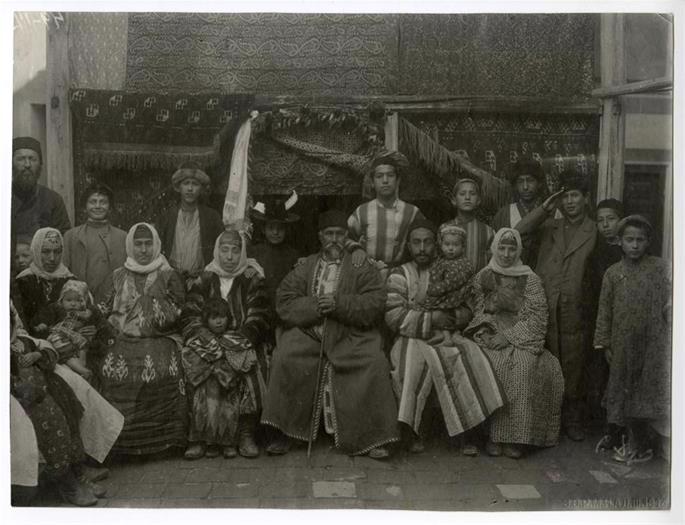
A heritage carried across centuries
From a community of immigrants to a unified national institution — founded May 2, 1999.
The story of the Congress of Bukharian Jews of the USA and Canada is a story of immigration, resilience, identity, and the determination of a people to preserve their heritage while building a future in a new country.
Bukharian Jews trace a long history in Central Asia, sustaining Jewish life, language, liturgy, and craft through generations of change and migration. Today that heritage lives in communities around the world.
The Beginning: A Community Comes Together
During the final decade of the twentieth century, tens of thousands of Bukharian Jews immigrated to the United States, joining earlier generations who had already established roots in North America. Families arriving from Uzbekistan, Tajikistan and other parts of Central Asia faced the enormous challenges of starting over in a new country. Their immediate priorities were providing for their families, finding employment and housing, educating their children, and establishing the foundations of community life.
Yet alongside these practical challenges was a greater question: How would this ancient and proud Jewish community preserve its identity, traditions, language, culture and religious heritage in America?
A group of dedicated community activists recognized that the future of Bukharian Jewry in North America required something more than individual synagogues and independent organizations. It required a unified voice, a common vision and a national institution capable of representing the interests of the entire community.
That vision became a reality in May 1999.
The Founding Congress — May 1999
On May 2–3, 1999, the Founding Congress of Bukharian Jews of the USA and Canada took place in New York.
The historic gathering brought together approximately 300 authorized delegates representing 54 community centers, cultural and educational organizations, public organizations and religious institutions.
At this founding assembly, the delegates unanimously adopted the organization's constitution and program, formally establishing the Congress of Bukharian Jews of the USA and Canada.
Boris Kandov, a community activist, businessman and philanthropist, was elected as the organization's first president.
The establishment of the Congress represented a defining moment in the modern history of Bukharian Jewry. For the first time, a national organization had been created with the purpose of bringing together the diverse Bukharian Jewish communities of North America under one umbrella.
It was more than the formation of an organization. It was a declaration that the Bukharian Jewish community would have a collective identity, a unified voice and a permanent place in American Jewish and civic life.
Building a National Community
From its earliest days, the Congress sought to unite Bukharian Jewish communities beyond New York.
Its reach extended to communities in Philadelphia, Boston, Atlanta, Los Angeles, San Diego, Phoenix, Cleveland, Denver, Seattle, New Jersey, Chicago, Washington, Toronto and Montreal.
This national structure allowed communities separated by geography to participate in a shared communal framework, creating opportunities for cooperation, representation and the preservation of a common heritage.
By the twentieth anniversary in 2019, approximately 100 public organizations and charitable foundations were operating under the Congress's umbrella, according to the anniversary account published by its president.
The Congress had developed into a significant representative institution, bringing together religious, educational, cultural, charitable and civic organizations.
International Recognition and the Preservation of Heritage
From its inception, the Congress understood that preserving Bukharian Jewish identity required maintaining strong connections with the community's historic homeland and building relationships with governments and institutions internationally.
In August–September 1999, just months after its establishment, a delegation led by President Boris Kandov visited Uzbekistan to participate in celebrations marking the eighth anniversary of the country's independence.
The delegation was warmly received by Uzbekistan's Prime Minister and Minister of Foreign Affairs. According to the Uzbek ambassador's remarks at the 2019 anniversary celebration, the visit resulted in the Congress receiving permission to bring six Torah scrolls out of Uzbekistan. These Torah scrolls were subsequently transferred to newly established community centers in the United States.
This episode reflected the Congress's emerging role not only as a representative organization but also as a guardian of religious and cultural heritage.
Over the years, the Congress developed relationships with diplomatic representatives and government officials from Uzbekistan, Kazakhstan and other Central Asian countries, while also strengthening connections with the broader American Jewish community.
Investing in the Next Generation: Jewish Education
One of the most consequential developments in the Congress's early history was its involvement in expanding Jewish education for Bukharian children.
In 2001, the Congress joined Lev Leviev's ambitious educational initiative to establish the Jewish Institute of Queens (JIQ), the first yeshiva specifically established to serve the Bukharian Jewish community in America.
More than 800 children of Jewish immigrants from the former Soviet Union began attending the school.
With Lev Leviev providing financial support for students' education through 2009, the initiative helped make Jewish education accessible to families who otherwise might not have been able to afford it.
The project represented a major investment in the community's future. It created a generation of Jewish students who developed strong Jewish identities and religious foundations, with many graduates subsequently raising families of their own and continuing their children's Jewish education.
The initiative demonstrated the importance of combining communal leadership, philanthropy and educational infrastructure to secure the future of Jewish life.
Establishing a Permanent Home: The Bukharian Jewish Community Center
Another defining milestone came in 2005, with the completion and dedication of the Bukharian Jewish Community Center, known as Kenessoi Kalan, in Forest Hills, Queens.
The center, dedicated in memory of Boris Kandov's parents, Efraim and Yaffa, provided the community with a permanent institutional home.
It brought together numerous organizations and activities under one roof, including:
- The Congress of Bukharian Jews.
- The veterans organization.
- The Roshnoi Educational and Publishing Center.
- The Union of Bukharian Jewish Writers, Poets and Journalists.
- The Congress Publishing House.
- One Heart matchmaking agency.
- Jewish child care services.
- Computer education classes.
- Bukhori and Hebrew language courses.
The center also became home to the editorial offices of The Bukharian Times, the national newspaper serving Bukharian Jews in America.
The creation of this center represented an important achievement in the community's development: the establishment of a physical and institutional foundation through which religious, educational, cultural and social life could flourish.
A Voice in American Jewish and Civic Life
As the Congress developed, it increasingly became a representative voice for Bukharian Jews in the broader American community.
It established relationships and cooperative programs with prominent Jewish organizations, including the Jewish Community Relations Council of New York, the World Jewish Congress, the Orthodox Union and the American Jewish Committee.
The Congress also worked to develop relationships with elected officials, government representatives and diplomatic missions.
A particularly significant milestone came in February 2019, when a delegation of Bukharian Jewish leaders traveled to Washington, D.C., to mark the organization's twentieth anniversary.
The delegation included community leaders, philanthropists, businesspeople, religious figures, cultural representatives and youth leaders.
During the visit, representatives met with nearly a dozen federal lawmakers and senior officials from the White House and the State Department. An official dinner and recognition ceremony took place at the United States Capitol, attended by more than 20 members of Congress and the Senate.
The delegation addressed issues including antisemitism, religious freedom, human rights, xenophobia and the importance of strengthening relationships between the United States and Central Asian countries.
The visit reflected how far the community had progressed: from a population of newly arrived immigrants to an organized community capable of engaging with national political and diplomatic leadership.
The Twentieth Anniversary: Celebrating a Historic Achievement
On May 5, 2019, the Congress celebrated its twentieth anniversary with a community and legislative breakfast in New York.
The gathering brought together elected officials, diplomats, religious leaders, community activists and representatives of the broader Bukharian Jewish community.
Among the distinguished guests was Uzbekistan's Ambassador to the United States, Javlon Vakhabov, who recognized the Congress's contribution to preserving Bukharian Jewish heritage and strengthening relations between Uzbekistan and the United States.
In his anniversary remarks, President Boris Kandov reflected on the community's remarkable transformation over the preceding two decades, emphasizing that Bukharian Jews had earned an important place within America's multiethnic and multireligious society while becoming prominent representatives of the centuries-old culture of Central Asia.
The twentieth anniversary was not simply a celebration of an organization's longevity. It was an opportunity to recognize the extraordinary achievements of a community that had successfully established itself in a new country while maintaining its religious traditions, cultural heritage and connection to its history.
A Legacy and a Responsibility for the Future
The establishment of the Congress in 1999 marked a turning point in the modern history of Bukharian Jewry in North America.
What began as an effort to unite 54 community organizations developed into a national umbrella institution representing approximately 100 organizations and foundations by its twentieth anniversary.
Over its first two decades, the Congress helped strengthen communal unity, advance Jewish education, preserve cultural heritage, establish institutional infrastructure, build international relationships and give the Bukharian Jewish community a stronger voice in American public life.
But the work of the Congress is not simply about preserving the accomplishments of the past.
It is about ensuring that the next generation inherits a community that is even stronger, more united and more deeply connected to its Jewish identity.
The challenges facing today's Bukharian Jewish community are different from those confronting the immigrant generation of the 1990s. The needs of younger families, the changing nature of religious and communal life, the importance of Jewish education, and the preservation of the Bukhori language and cultural traditions all require renewed vision and leadership.
The founding generation built the foundation. The responsibility of today's leadership is to build upon it.
The Congress of Bukharian Jews of the USA and Canada was founded on the belief that a united community could accomplish what individual organizations could not. Twenty-five years later and beyond, that founding vision remains as relevant as ever.
Preserving our heritage. Strengthening our community. Building our future.
Leadership
Our leadership
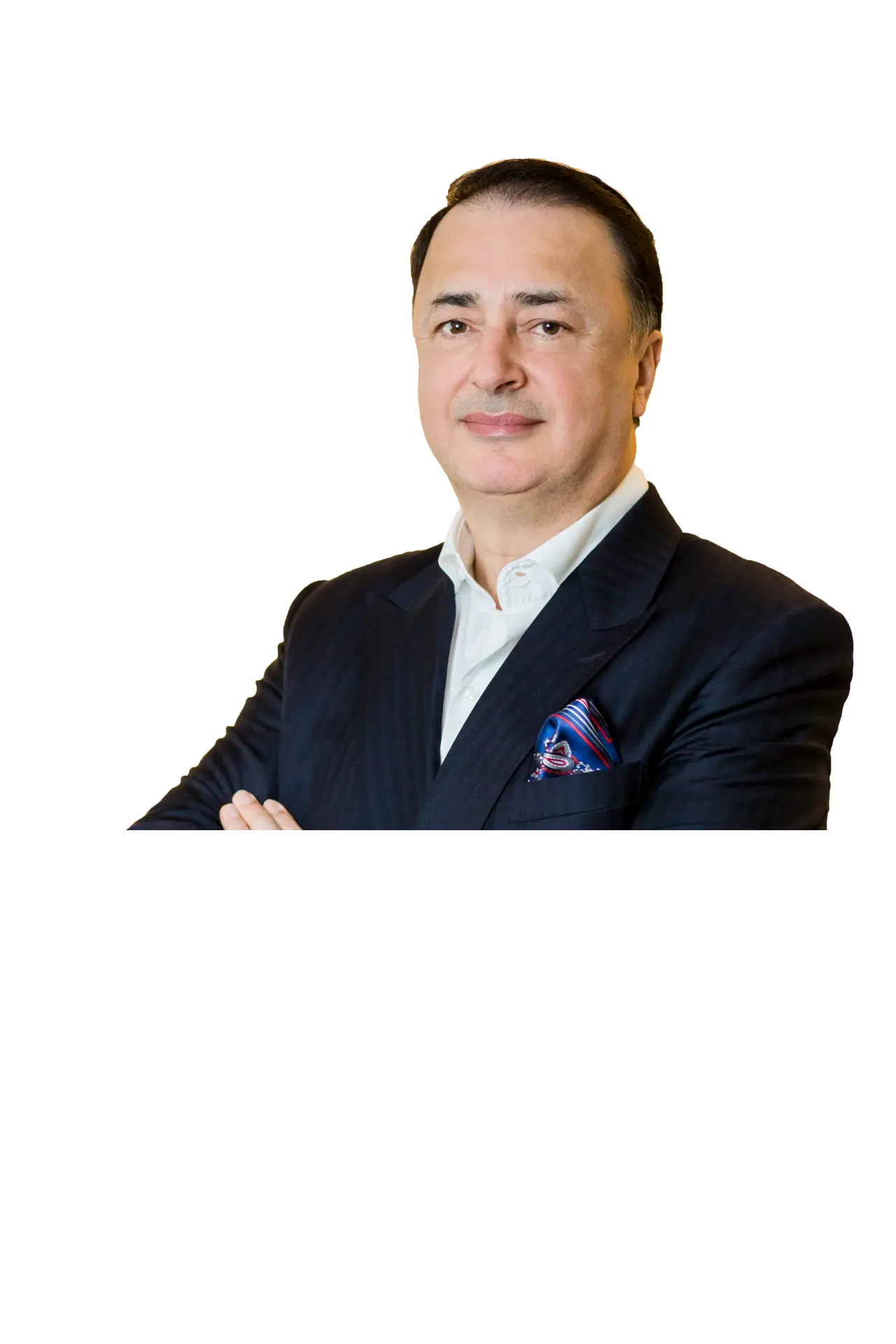
Lev Leviev
President of the World Bukharian Jewish Congress Chairman of Trustee of Bukharian Jewish Community Center
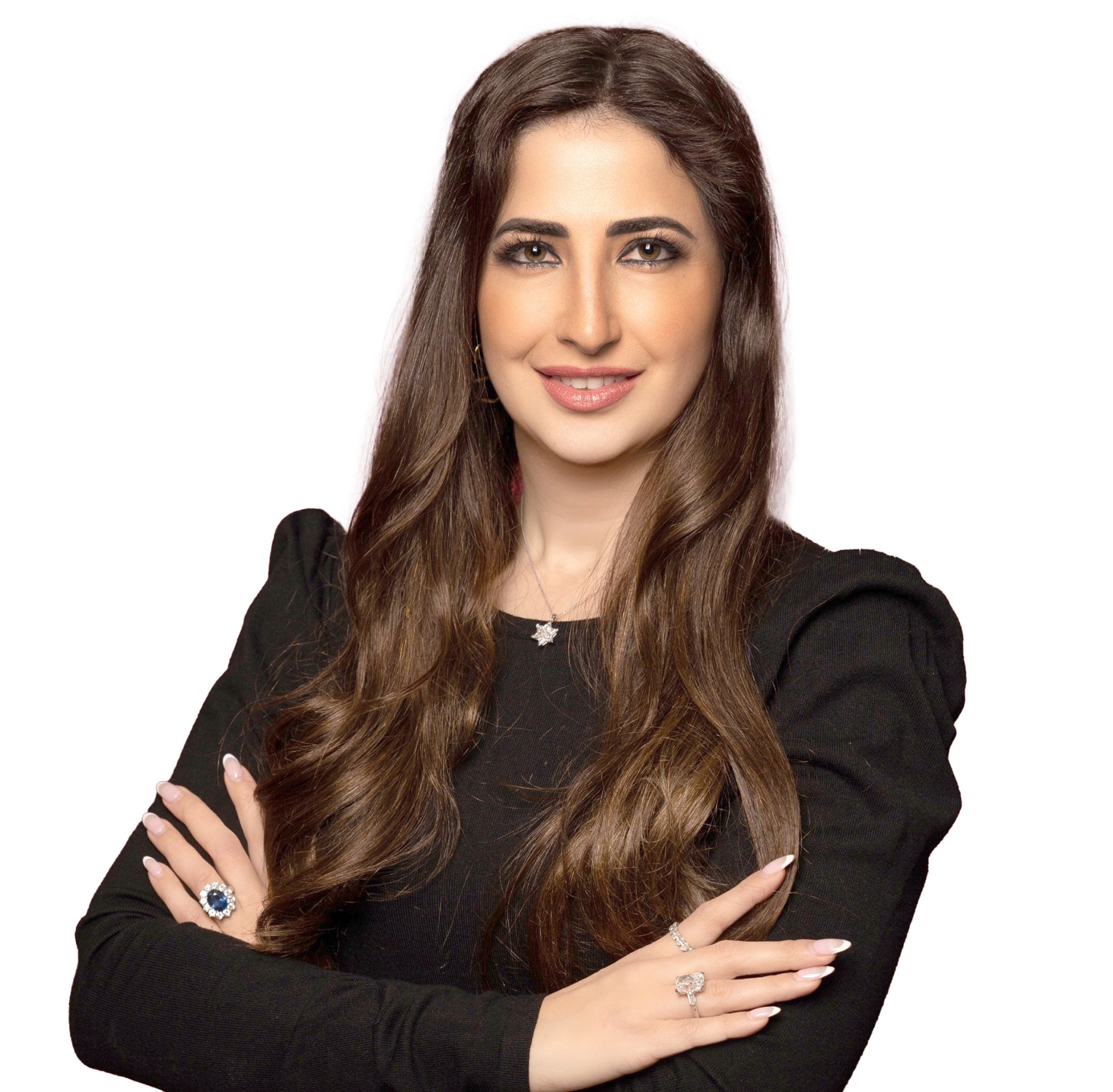
Chagit Sofiev- Leviev
President of the Bukharian Jewish Congress of the USA and Canada President of the Jewish Institute of Queens
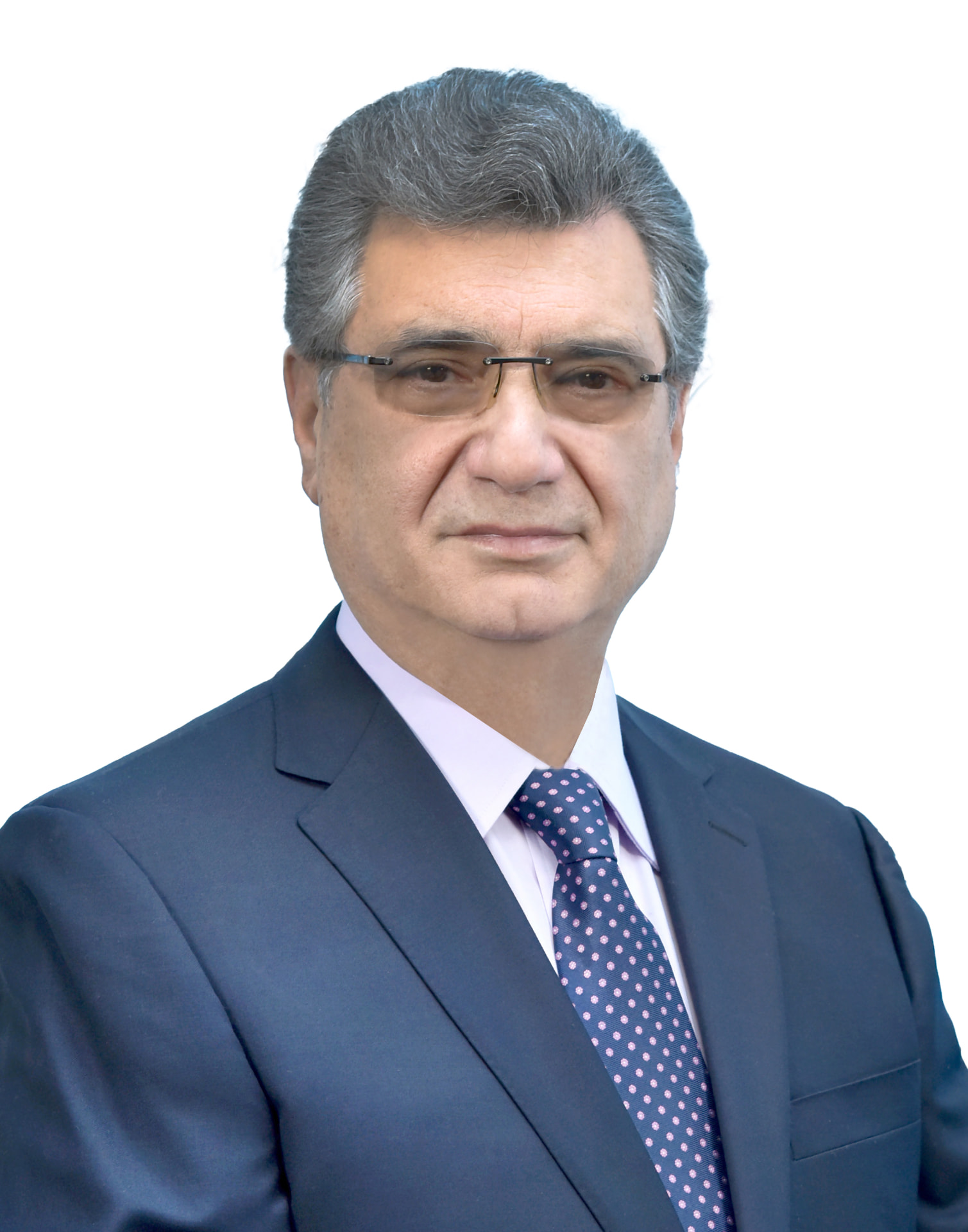
Boris Kandov
Chairman of trustees of the congress of the Bukharian Jews of the USA and Canada Founder and First Honorary President
Rabbinical Leadership
Our spiritual leadership
The rabbis who guide our community's religious life.
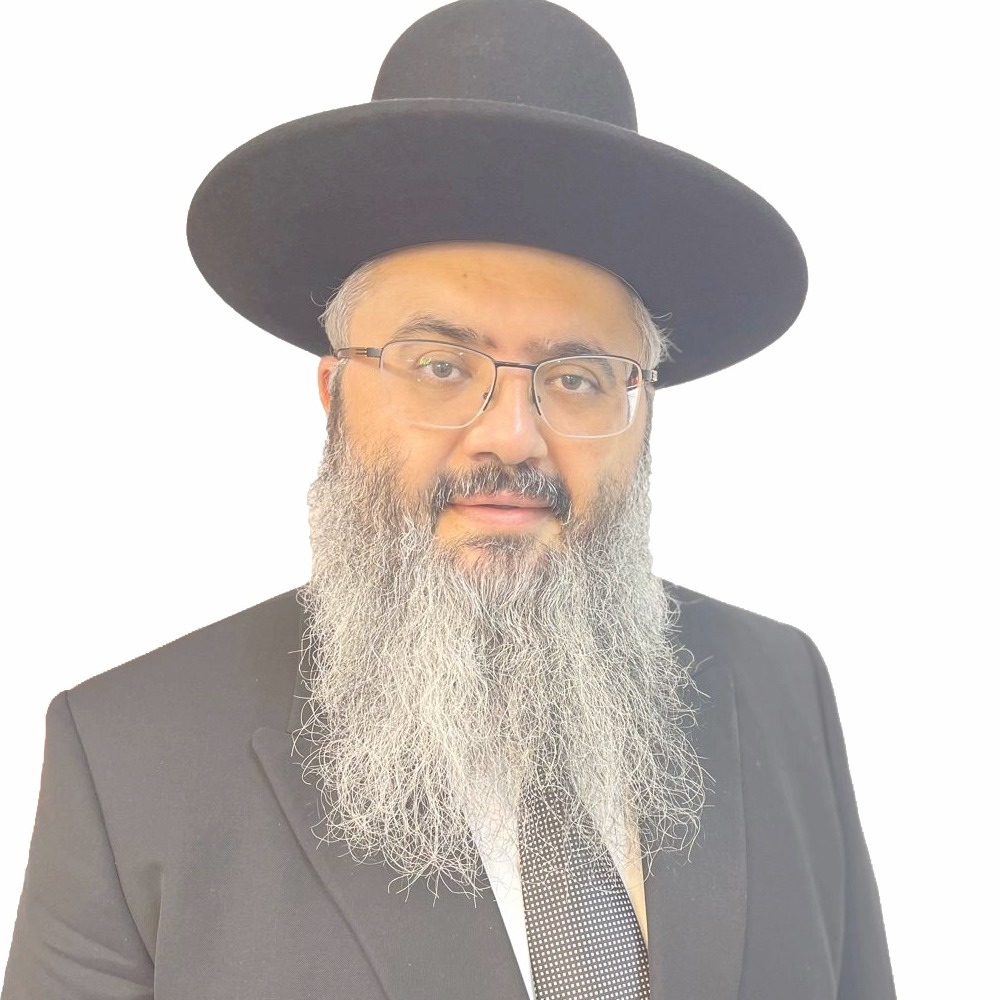
Rabbi Baruch Babaev
Chief Rabbi of Bukharian Jews of the USA and Canada
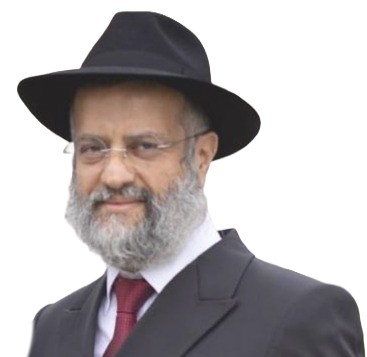
Rabbi Zalman Zvulunov
Coordinator of the World BJC in America
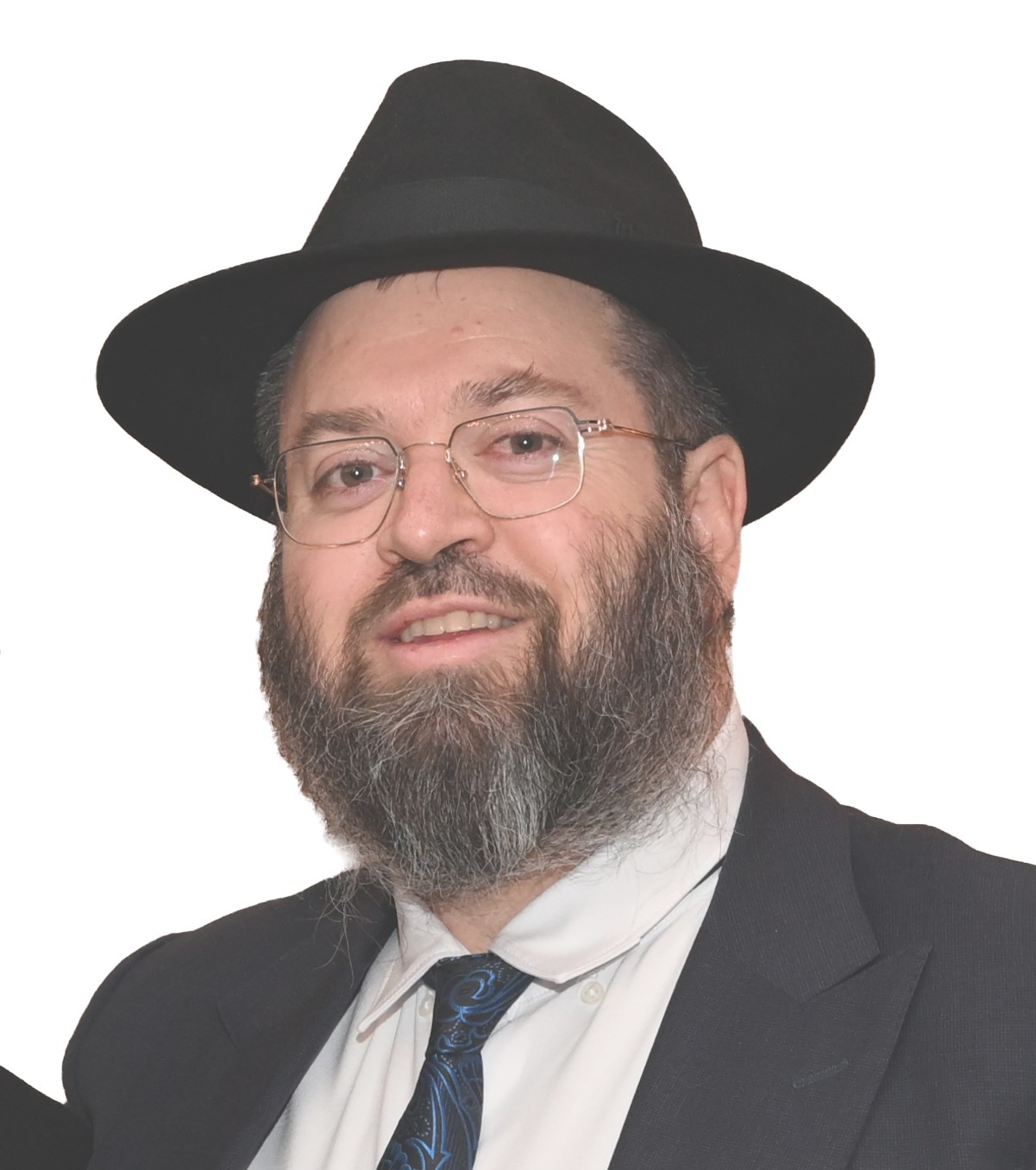
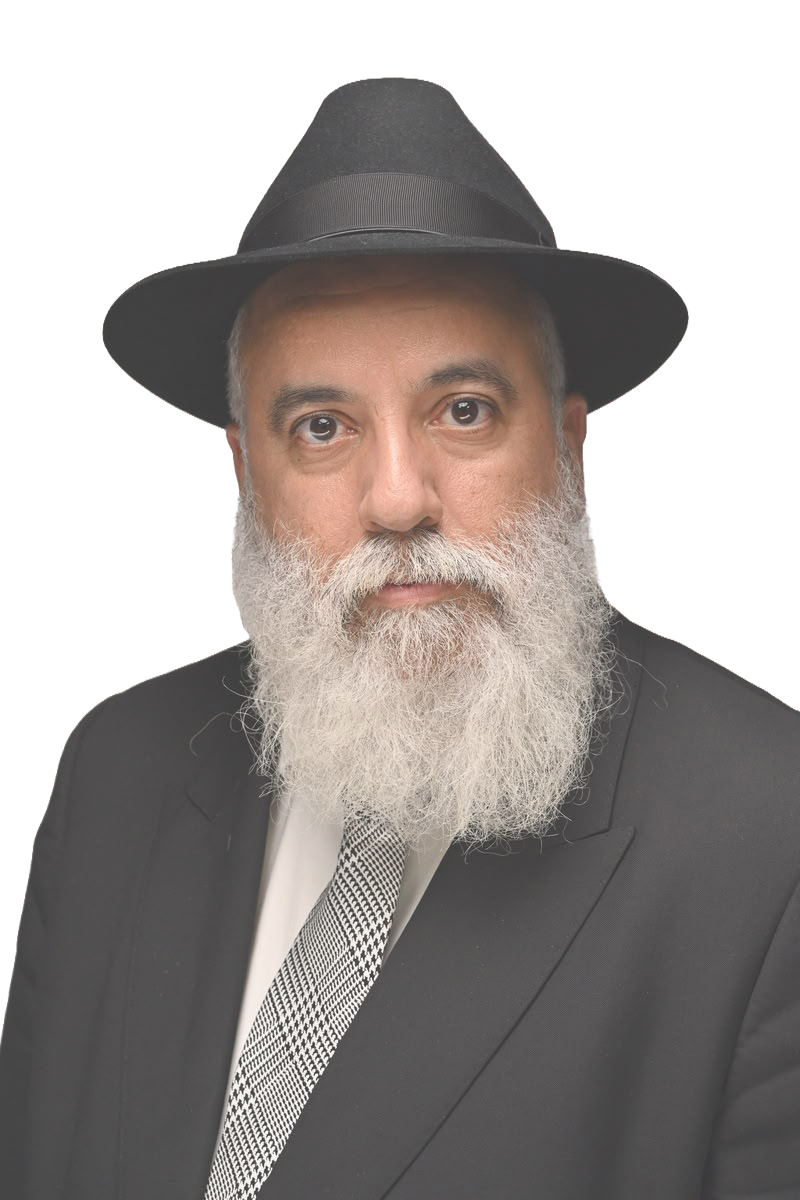
Rabbi Isaac Wolowik
Director of the BJC Center Forest Hills, NY
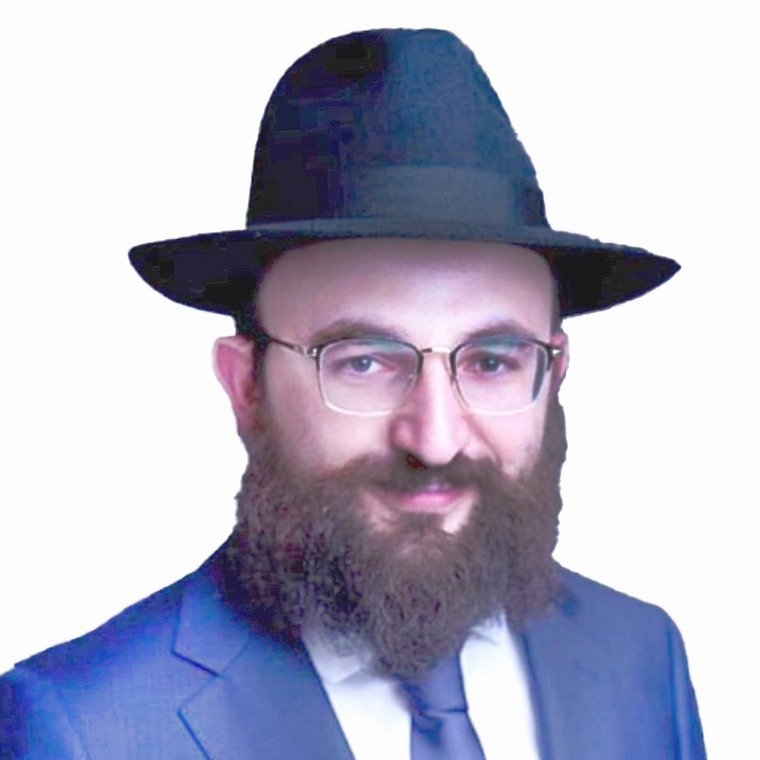
Rabbi Asher Vaknin
Youth Minyan BJC Center, NY
Rabbi David Shushan
Teen Minyan BJC Center, NY
Professional Staff
Our professional staff
The team who run our programs and serve the community every day.
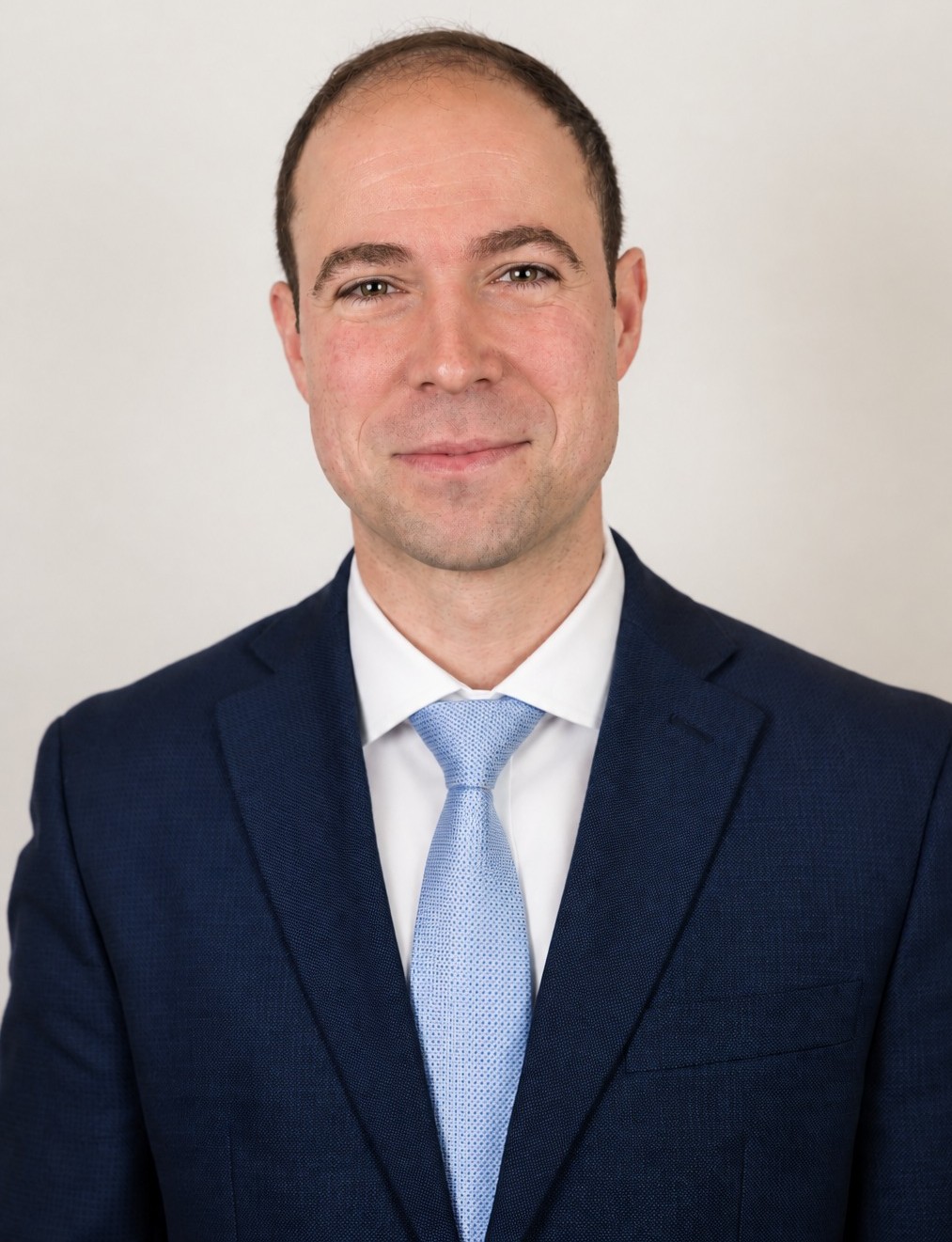
Simon Taylor
Executive Vice President
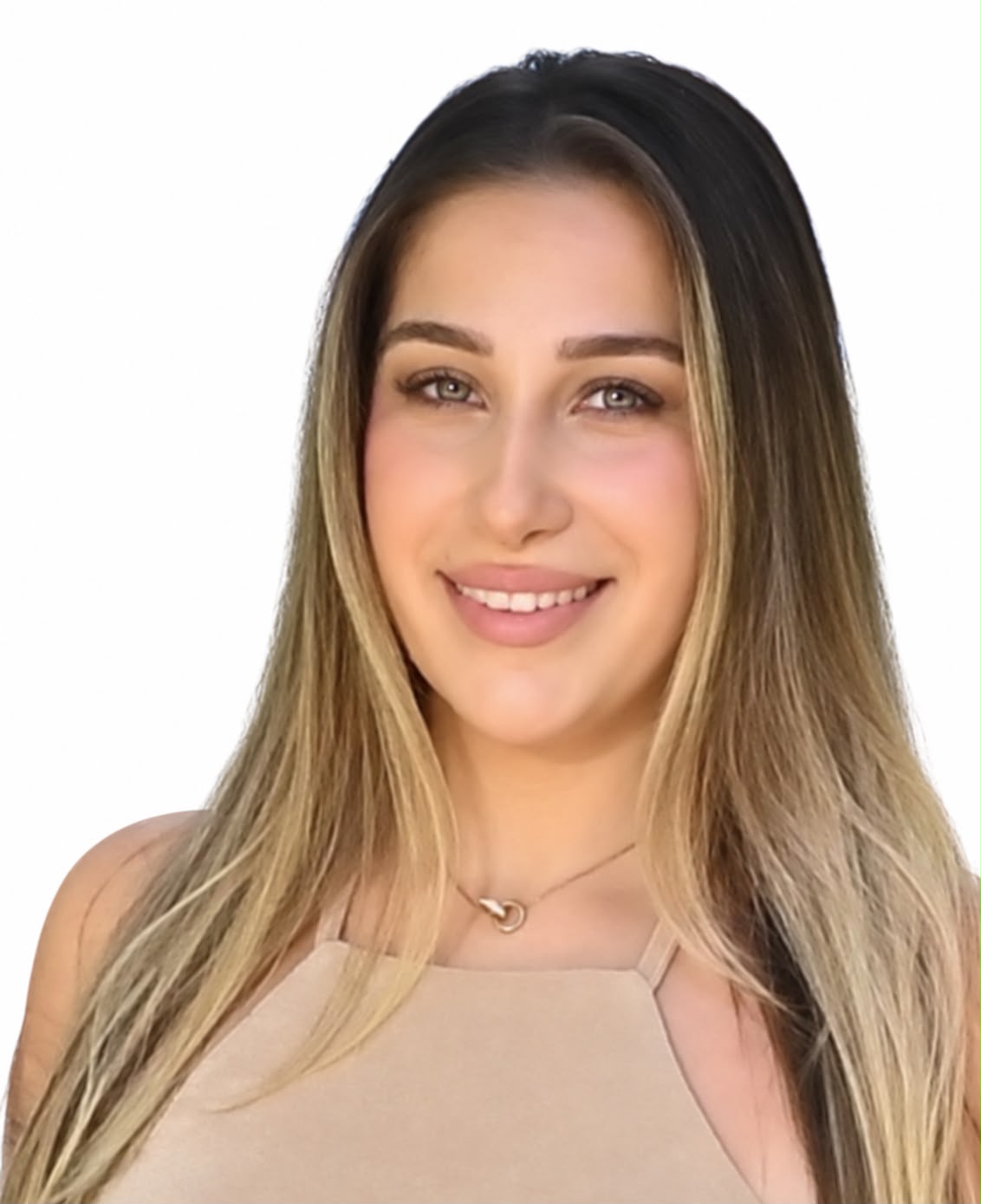
Elana Badalbayev
Executive Assistant
Our Communities
Our communities
The centers and communities we serve and unite.
Bukharian Jewish Community Center
President David Nektalov Rabbi Baruch Babaev 106-16 70th ave Forest Hills, NY 11375 (718) 520-1111
Visit WebsiteBJ Center Kehilat Sephardim of Ahavat Achim
Rabbi Shlomo Nisanov 150-62 78th Rd Kew Garden Hills, NY 11367 (516) 520 -2008
BJ Center L'man Achai Bucharim
President Yakov Dayan 1327 41 St. Brooklyn, NY 11218 (917) 575-9788
Visit WebsiteBJ Center Shaarei Tefila
Rabbi Itzchak Abramov 147-02 76 Rd Flushing, NY (646) 244-7858
BJ Center of Briarwood
Rabbi Avrech Kaziev 139-06 86 Ave Briarwood, NY 11435 (718) 755- 9618
Visit WebsiteBJ Congregation Ohr Eliyahu
Rabbi David Akilov 85-66 67 Rd Rego Park, NY 11374 (718) 614-3267
BJ Center of Lefrak
President Robert Mavashev Rabbi Rakhmin Dadabayev 9815 Hoarce Harding Expw, Corona, NY 11368 (718) 496-5398
BJ Center Shem Tov K"hal
Rabbi Neryah Shimonov 53-08 13 Ave, Suite 213 Brooklyn, NY 11219 (718) 809- 8784
Sephardic Center Bet-El
Rabbi Yakov Nasirov 180-01 Union Tpke Fresh Meadows, NY 11366 (347) 266-0127
Visit WebsiteBJ Congregation Shaare Shlomo
Presiden Rodshel Pinkhasov Rabbi Abram Babakhanov 189-11 A Union Tpke Fresh Meadows, NY 11366 (361) 484-7557 (718) 490- 3171
BJ Synoguge Beth Bachor
President Doni Aranoff 147-46 84 Rd Briarwood, NY 11435 (347) 239- 2947
BJ Center Ohr-Natan
Rabbi Nachum Kaziyev 98-88 Queens Blvd. Rego Park, NY 11374 (718) 275- 3318
Visit WebsiteBJ Synoguge Anshey Shalom
President Emanuel Yelizarov 108-37 67th Ave Forest Hills, NY 11375
BJ Center Beit Malkiel
Rabbi Yitzchak Shimunov 1201 E. 10 St. Brooklyn, NY (718) 382-7119
Visit WebsiteCenter Kehilat Bucharim
Rabbi Moshe Abramov 47-11 12 Ave Brooklyn, NY (718) 496 0371
BJ Center Khodzhi Koton
President Murdakhay Musheev Rabbi Baruch Khodzhaev 99-20 63 Avenue Rego Park, NY 11374 (929) 571-5080 (646) 542- 2340
BJ Center Ohel Josef and Brukho Toxsur
President Yan Moshe Rabbi Amner Yunayev 63-36 99 St. Rego Park, NY 11374 (718) 808- 5333
BJ Center Yisodei Chaim
Rabbi Beni Rachmanov 71-02 Main St. Flushing, NY 11367 (718) 249- 6903
Ohr Avner Sephardic Center of Hollis Hills
President Assaf Levi Rabbi Daniel Zvulunov 80-02 209th St Queens Village. NY 11427 (917) 642- 1442 (347) 527- 0558
Visit WebsiteBJ Center Od Yosef Hai
Rabbi Ben-Itzhak Michael 147-18 76 Rd Flushing, NY 11367 (718) 820- 3909
BJ Synogugue Torat-Chaim Ohel Sara
President Yakov Robenov 144-11 77 Ave. Flushing, NY 11367 (917) 577- 3354
BJ Center Ohr Behor Halevi
Rabbi Chaim Shwartz 120-02 Audley St. Kew Gardens, NY 11415 (347) 680- 2603
BJ Center Shaarey Teshuva
Rabbi Avraham Suleymanov 1201 45th St. Brooklyn, NY 11219 (646) 920- 4116
BJ Center of Briarwood
Rabbi Simatov Yanetz 84-75 Daniels St. Briarwood, NY 11435 (917) 862- 8233
BJ Center Emet V' Emuna
Rabbi Benyamin Tamaiev 3714-20 Brooklyn, NY (718) 853-3351 (718) 629- 8266
Congregation Bnei Israel
Rabbi Nisan Gavrielov 671 Louisana Ave. Staaret City Brooklyn, NY 11239 (646) 271- 2784
BJ Synogugue Khilat Lshem
Rabbi Eliyahu Gadayev Queens, NY (646) 591- 6415
Sephardic Torah Center
Rabbi Osaf Khaimov 171-05 Jewel Ave. Fresh Meadows, NY 11365 (917) 921- 5039
BJ Center Ohr-Borukhay
President Y. Sulaymanov 90-14 63rd Dr. Rego Park, NY 11374 (718) 275- 5254 (347) 420- 1027
BJ Center of Jamaica Estates
President Boris Kaykov 80-14 Chevy Chase Street Jamaica Estates, NY 11432 (347) 644- 5747
Visit WebsiteBJ Center of Roslyn Heights
President Ari Alayev Rabbi Yosef Layliev 101 Schoolhouse Lane Roslyn Heights, NY 11577
BJ Congregation Emet Ve Emuna of Hewlett
President Benjamin Iskhakov 11 Milbar Heath. Hewlett, Ny 11577 (718) 924- 7577
BJ Center Beit Ilyavu
President Robert Aronov Rabbi Avraam Tabibov 71-52 172nd St. Fresh Meadows, NY 11366 (718) 809- 8688
Bet Midrash, Shaar HaEmet
Rabbi Daniel Cohen 99-37 65 Ave. Rego Park, Ny 11374 (718) 310- 0147
Visit WebsiteBJ Center of Kew Garden Hills
Chairman Board of Trustee - Meirkhay Yagudayev 147-58 77th Rd. Flushing, NY 11367 (917) 331-1731
BJ Center of Tama
President David Tamayev Rabbi Shlomo Borukhov 99-47 62 Rd Rego Park, NY 11374 (7916) 916- 9352
BJ Congregation Shaarey Elyahu
Rabbi Iosif Akilov 105-53 63 Ave. Forest Hills, NY 11375 (718) 683- 4126
BJ Center Beth Gavriel
President Ilya Koptiev Rabbi Emmanuel Shimonov 66-35 108 St. Forest Hills, NY 11375 (718) 268- 7558
Visit WebsiteBJ Congregation Tifereth Tomor Devora
President Albert Zaurov 550 Ocean Parkway Brooklyn, NY 11218 (917) 217-6596
BJCC of Atlanta
President Anatoily Iskhakov 5054 Singleton Rd. Norcross, GA 30329 (770) 912- 4044
BJ Center of Philadelphia
President Oleg Ustaev (267) 934- 4455
Jewish Center- San Deigo
President Boris Kandkhorov Rabbi Shdom Buja 6115 Montezuma Rd. San Deigo, CA 92115 (917) 692- 1773
Jewish Center- Phoenix- AZ
Rav Zalman Levertov Rav Pinkhas Nisanov 2110 E. Lincon Dr. Phoenix, AZ 85016 (602) 944- 2753
Chabad Bukharian Center
Rav Emanuel Chai Shimonov 1742 N. 6th PL. Phoenix, AZ (770) 235- 7334
Visit WebsiteBJ Center Beth Jersualem
President Alexandr Rubinov 727 E. Glendale Phoenix, AZ 85020 (602) 459- 1717
BJ Center Beit Haavot
Rav Michael Aminov 1601 E. Bell Road Phoenix, AZ 85022 (917) 407- 4551
BJ Center Shaarei Zion of Arizona
Rabbi Baruch Cohen 6516 N/ 7 St. Phoenix, AZ 85014 (602) 348- 7968
BJ Center Ohr Avner
President Ruben Bachaev 11100 E. Mississippi Ave, Aurora, CO 800012 (720) 388- 2704
BJCC of Cleveland
President Sion Khaimov Rav Yossi Freedman 1980 S. Green Rd. South Euclid, OH 44121 (216) 382- 7202 (216) 544- 2689
BJ Center in Miami Beach
President Aharon Haimov Rabbi Rafael Moradov 4016 Royal Palm Ave Miami Beach FL, 33140 (305) 305- 8095
BJ Center of Toronto
President Lenoid Isakov Rav Yakov Malayev 63 Cordoba Dr. Thornhill, ON L4J818 Toronto, Canada (416) 835- 8579
Visit WebsiteBJ Center of Montreal
President Rafael Abramov 5499 Robert Burns Montreal Quebec H4W2BB Canada (514) 996- 6770
Vice Presidents
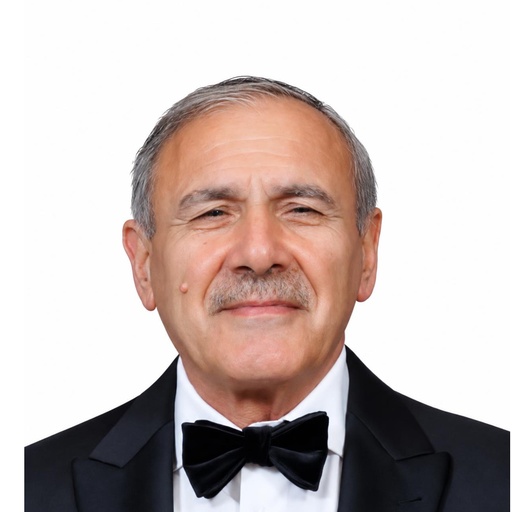
Boris Aronov
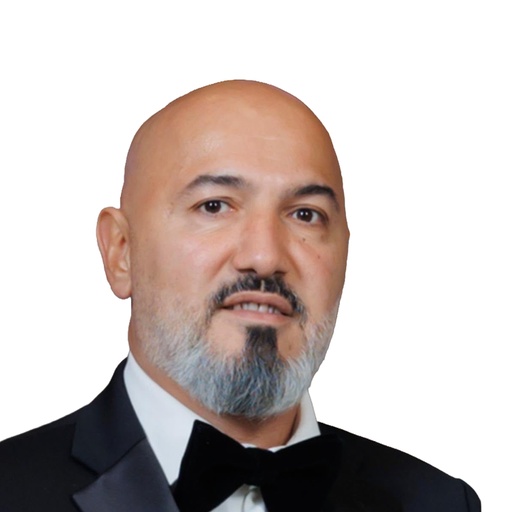
Rafi Aronov
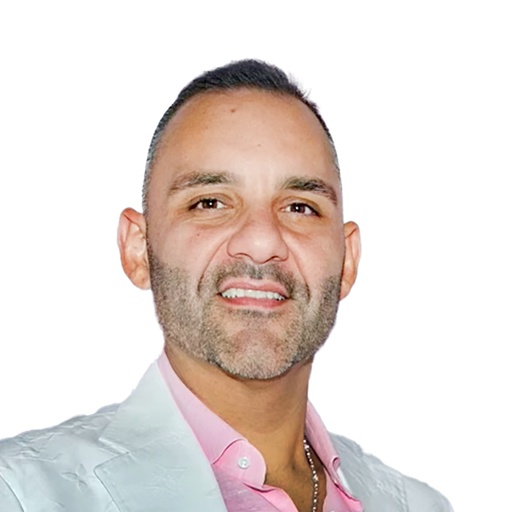
Roman Aulov
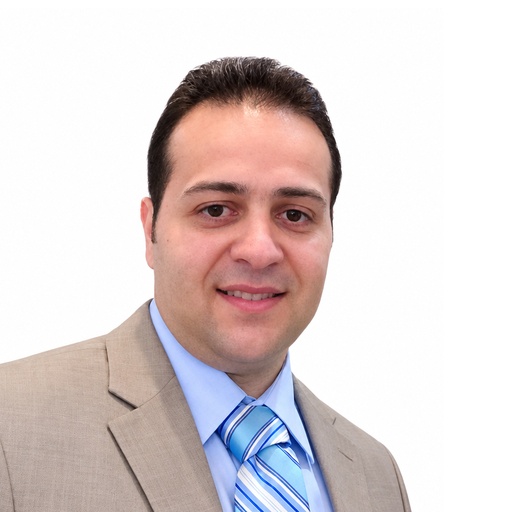
Ruben Bachaev
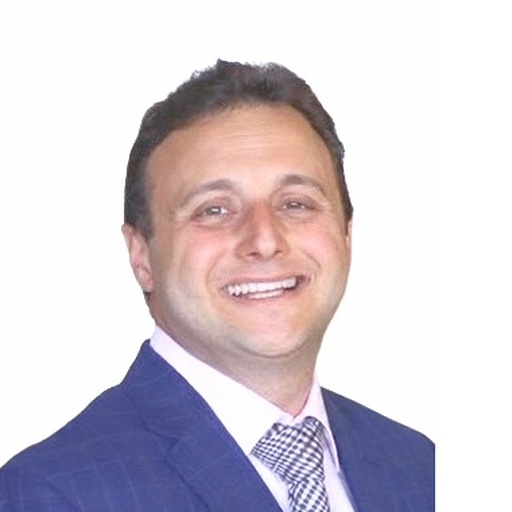
Ronnie Ben-Yshai
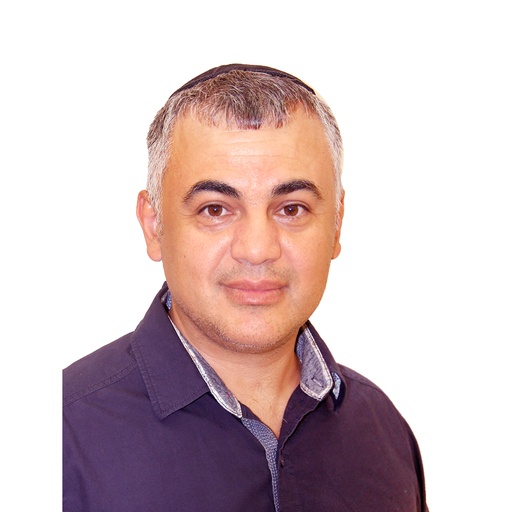
Mikhail Borukhov
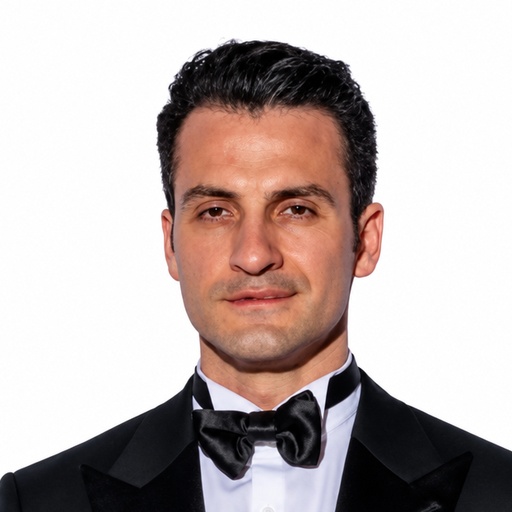
Meyer Davidoff
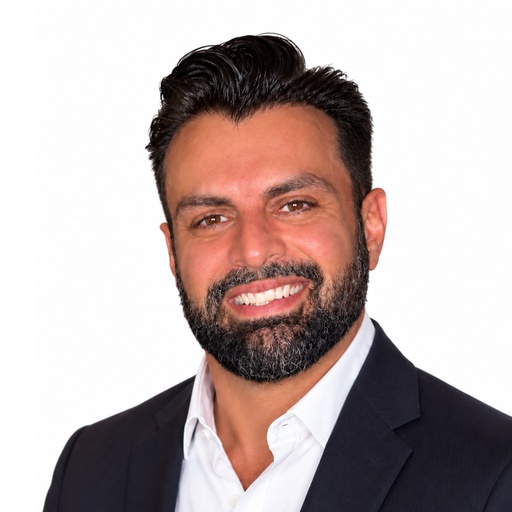
David Daydov
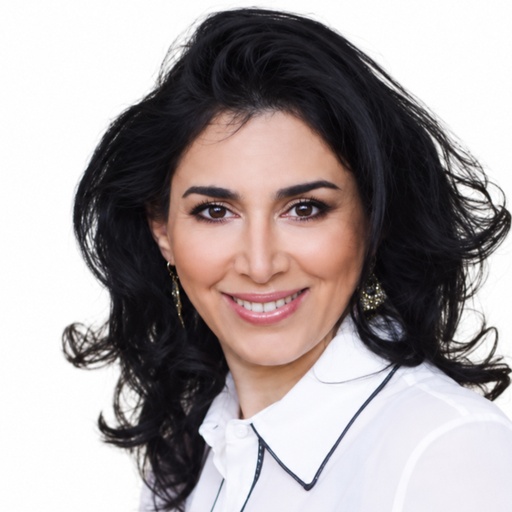
Lena Harris
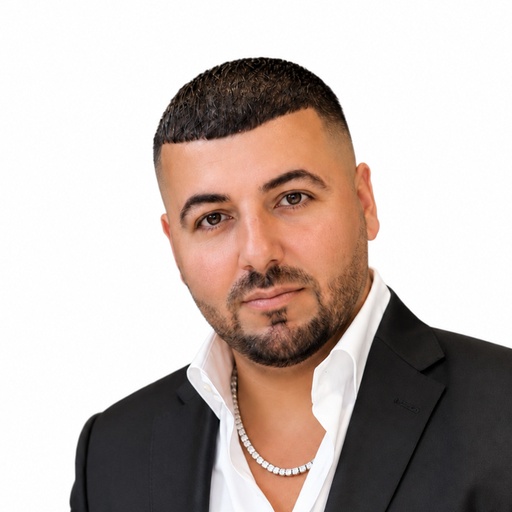
Avi Hiaeve
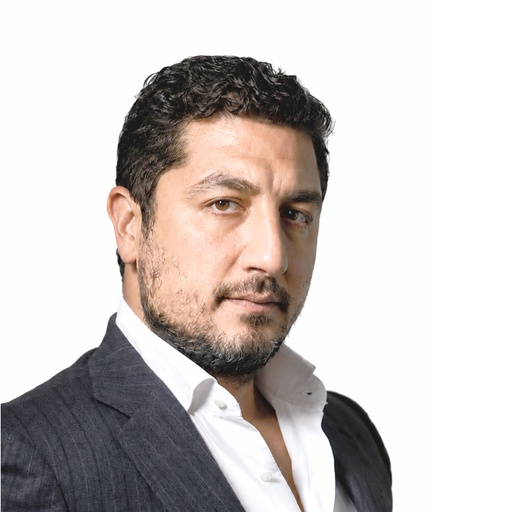
Leo Jacobs
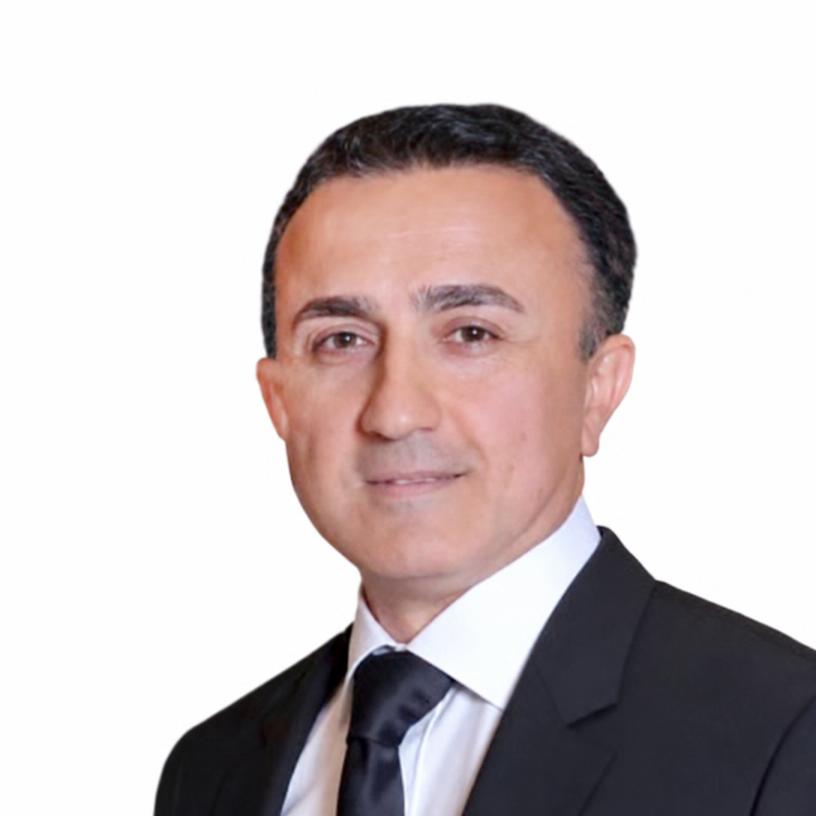
Mark Kalontarov
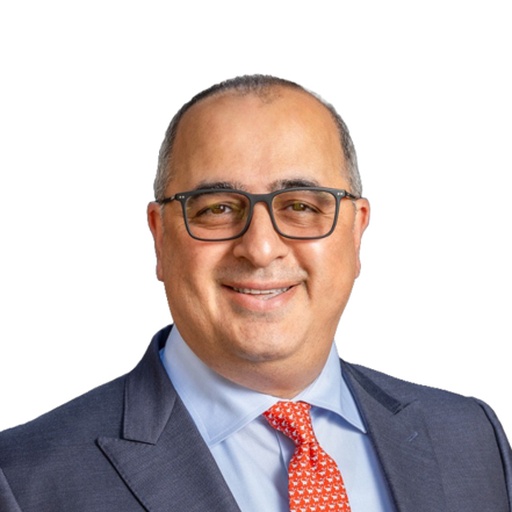
Lev Kimyagarov
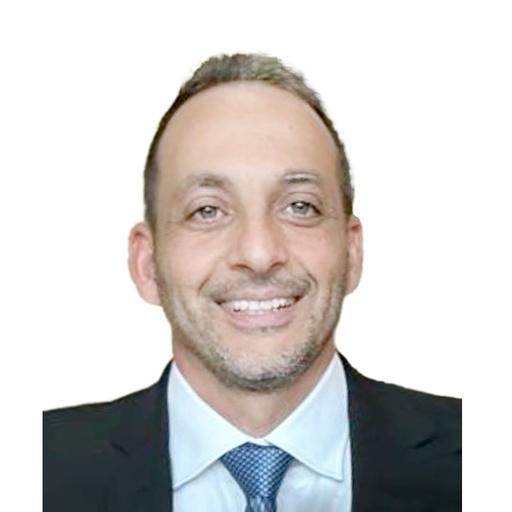
Assaf Levi
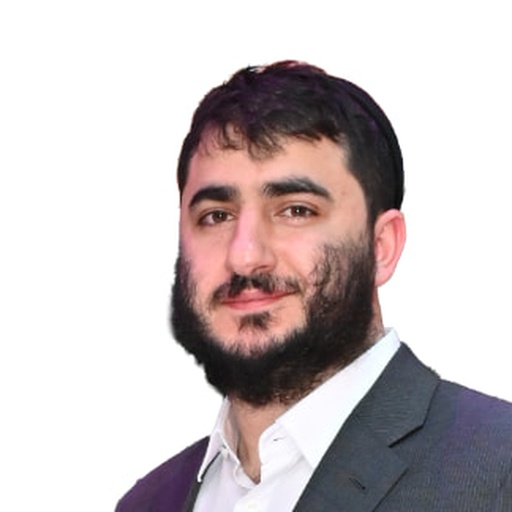
Yehoshua Leviev
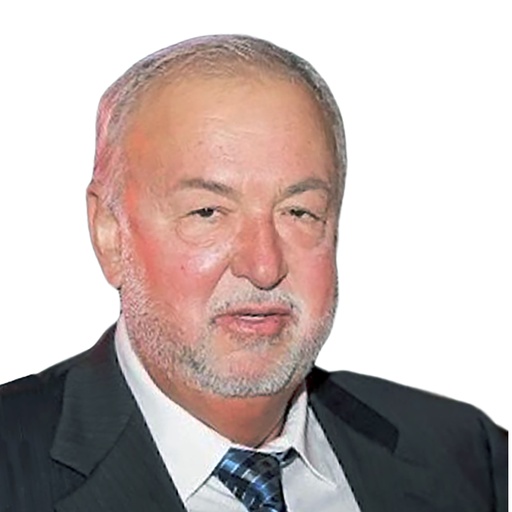
David Mavashev
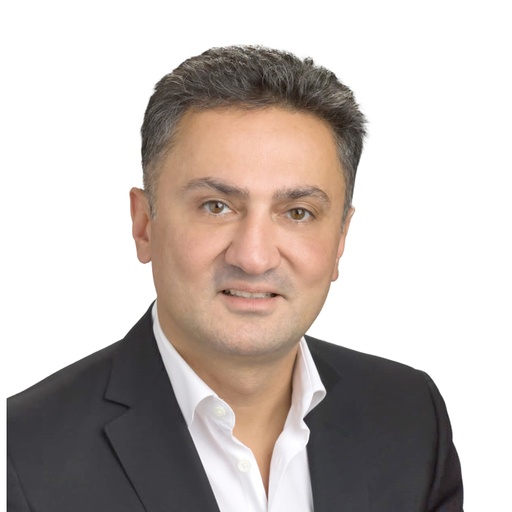
Yan Moshe
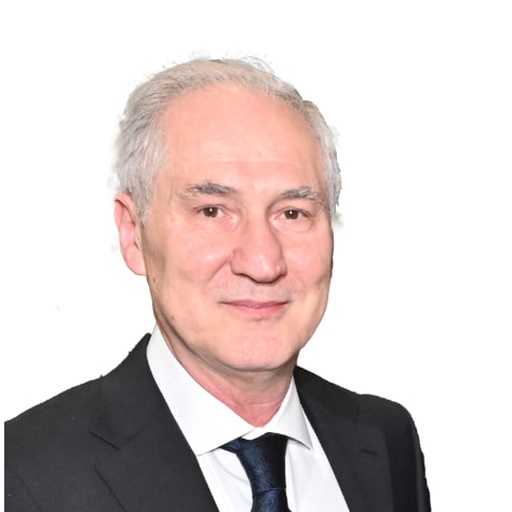
Boris Natanov
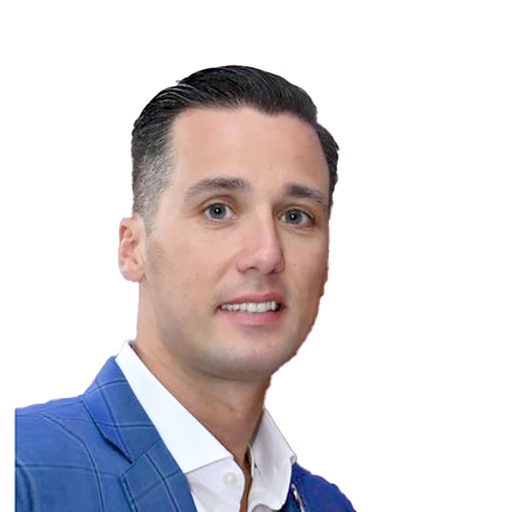
David Nektalov
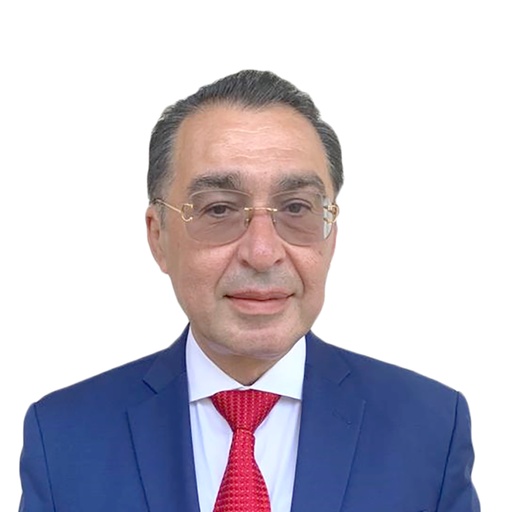
Leon Nektalov
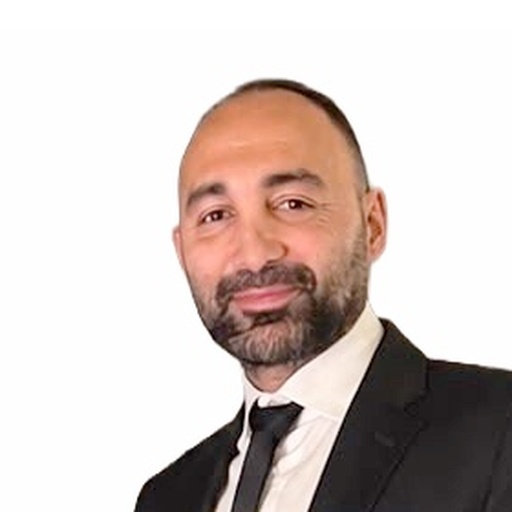
Adik Plishti
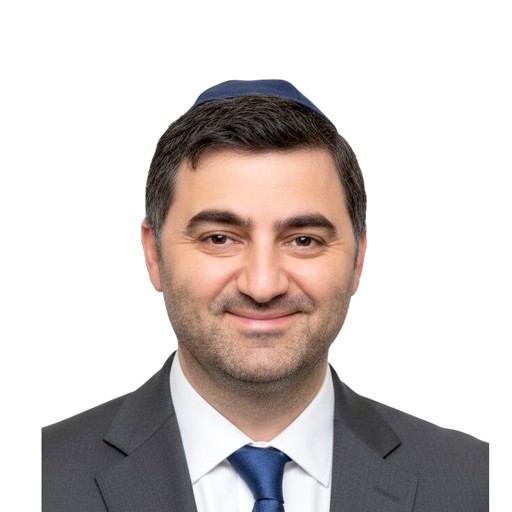
Ariel Rackman
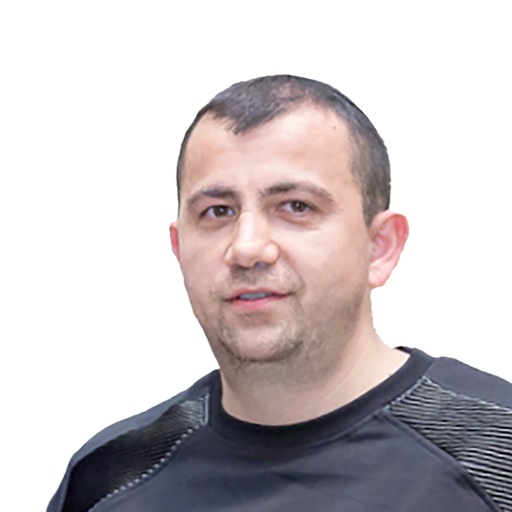
Gavriel Sarikov
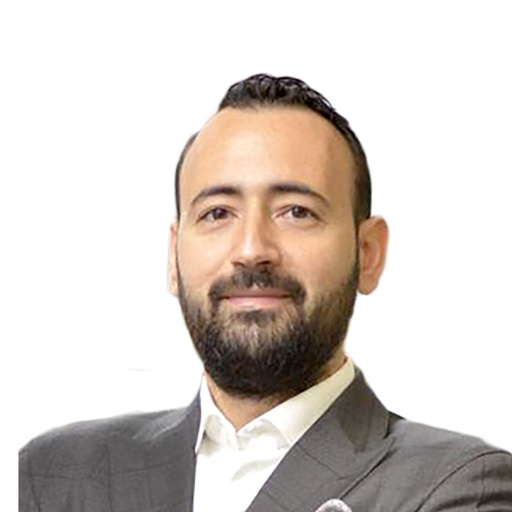
Gavriel Sofiev
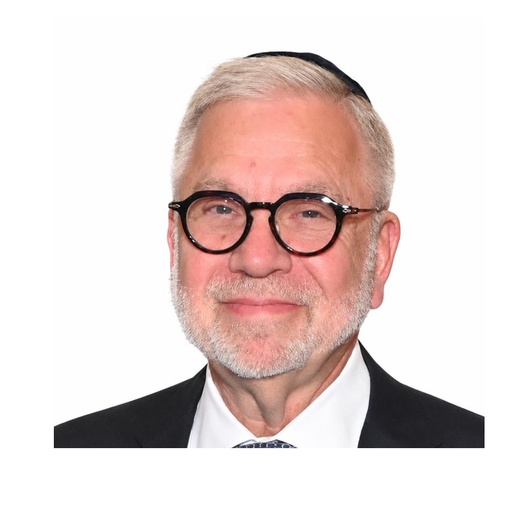
Ronnie Stern
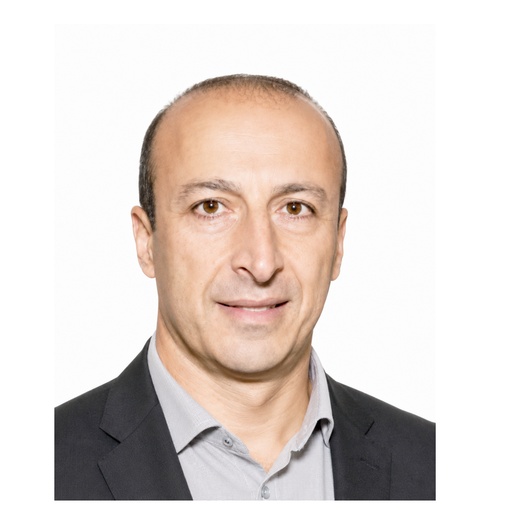
Joseph Yushuvaev
Presidents Council
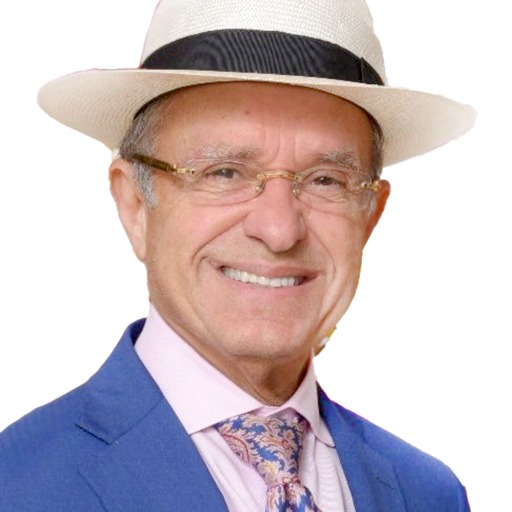
Jack Abraham
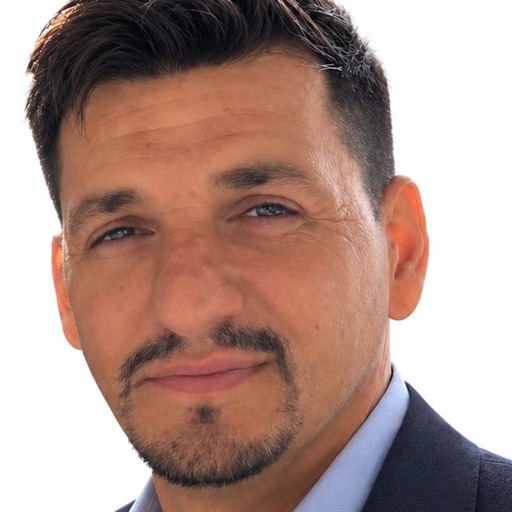
Daniel Akilov
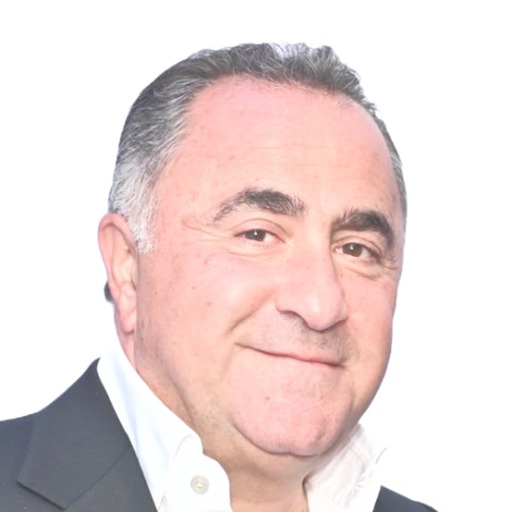
Nison Alayev
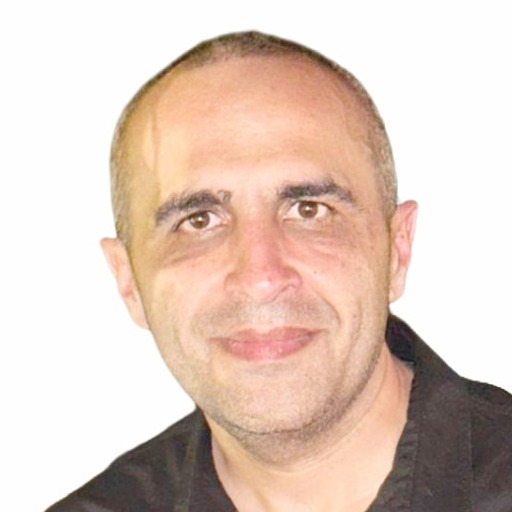
Eduard Arabov
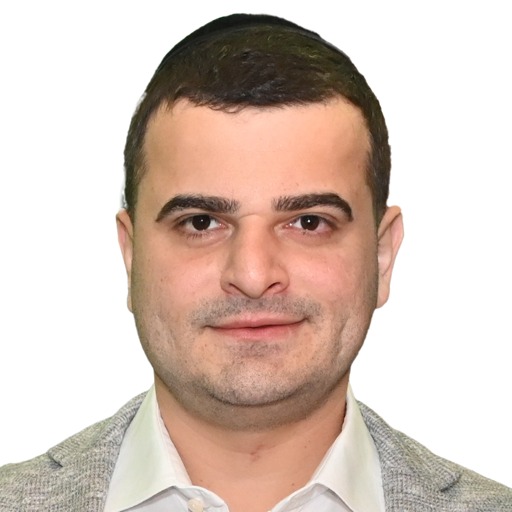
Simon Aronov
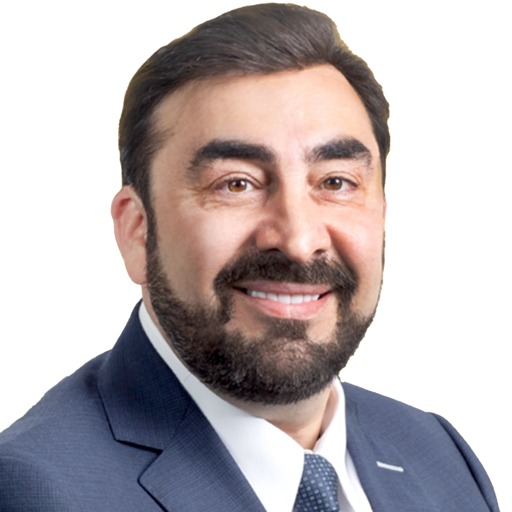
Reuvan Davidov
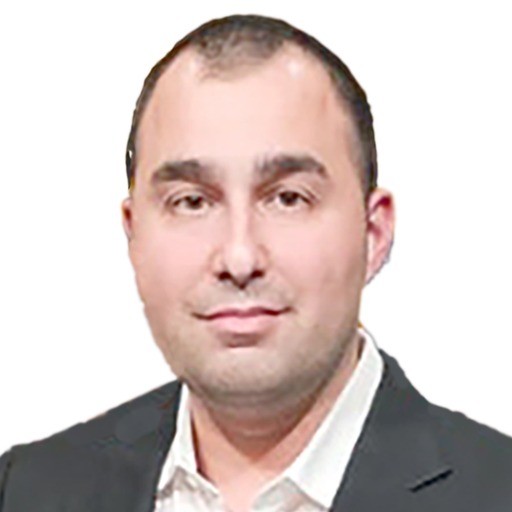
Abo Ilyayev
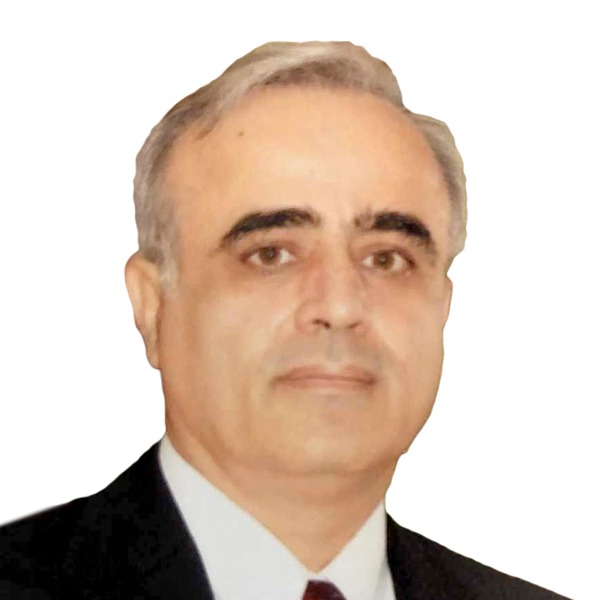
Dr. Rafael Iskharov
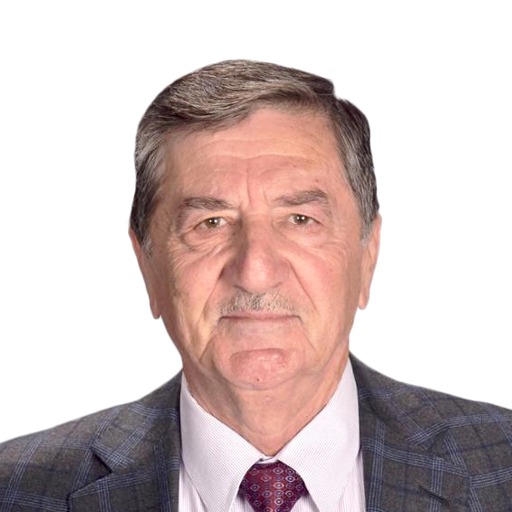
Anatoly Iskhakov
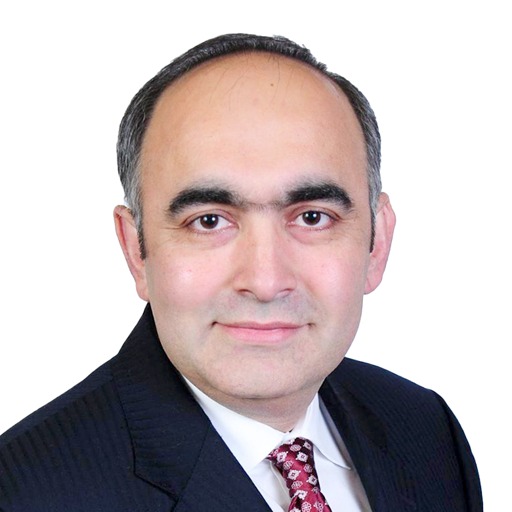
Benjamin Katayev
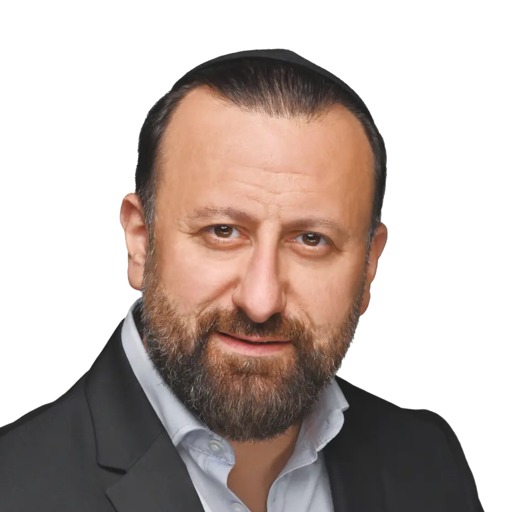
Boris Kaykov
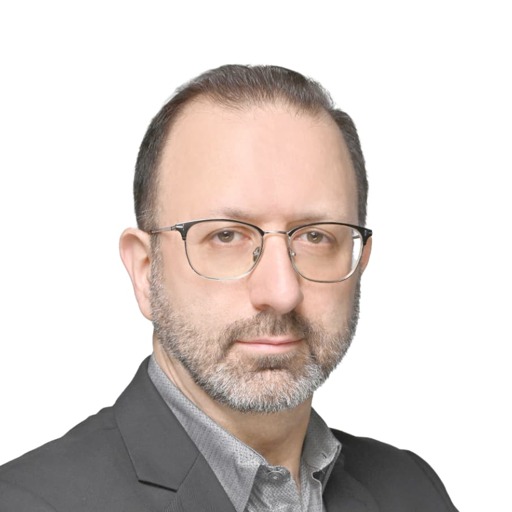
Roman Kaykov
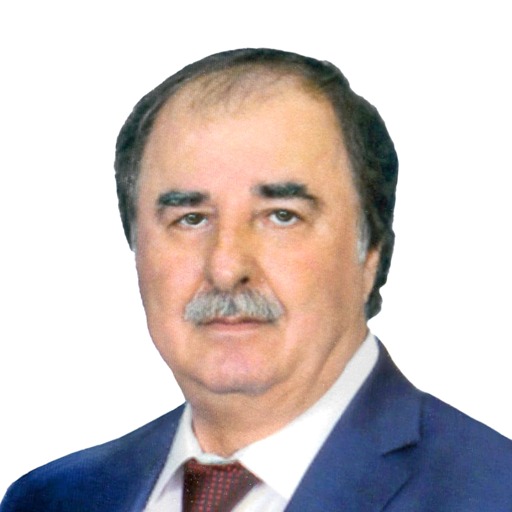
Boris Matatov
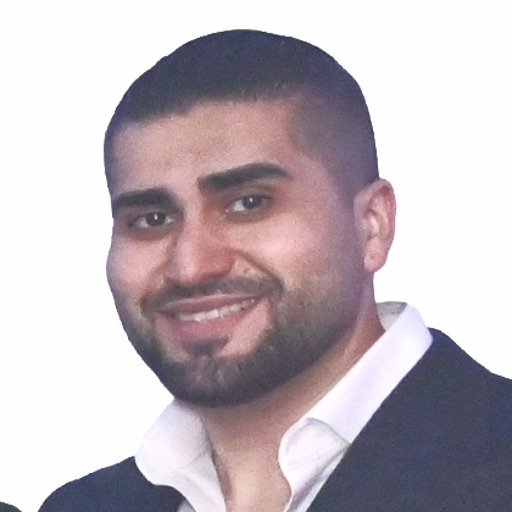
Johnny Matatov
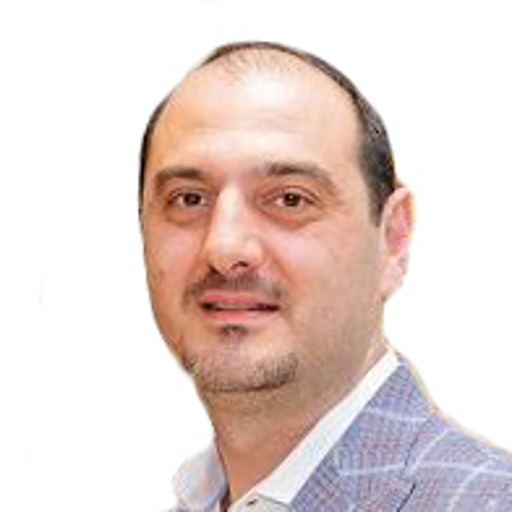
Simcha Muratov
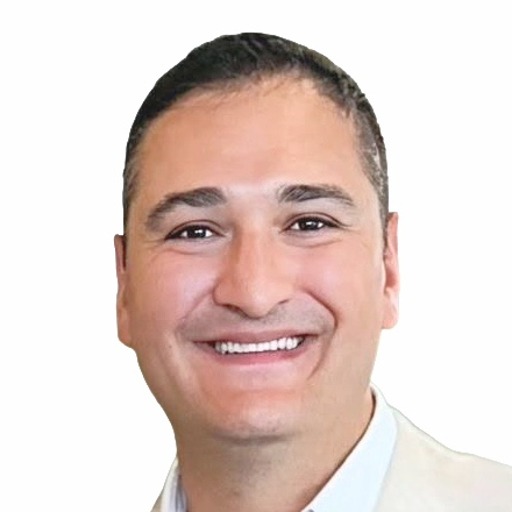
Brian Natanov
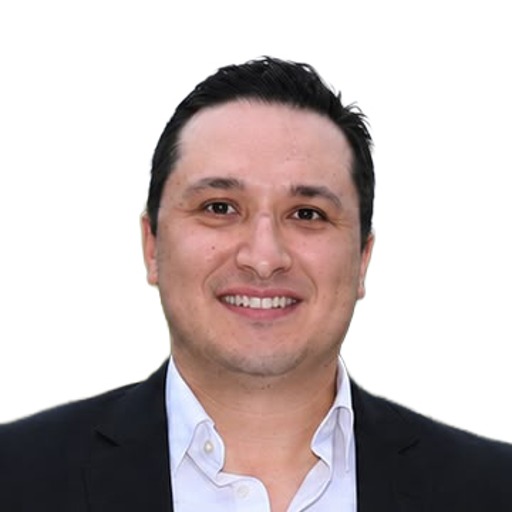
David Natanov
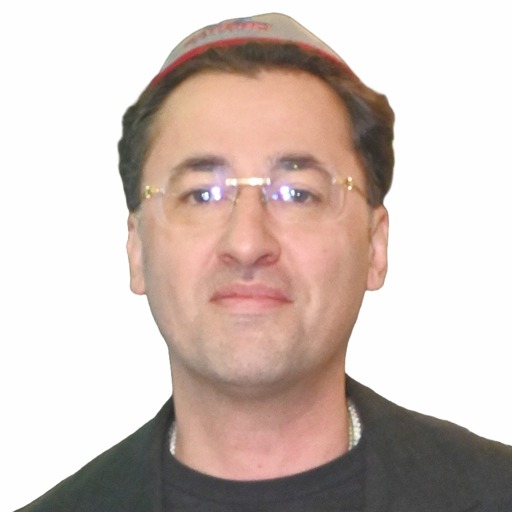
Yakov Nektalov
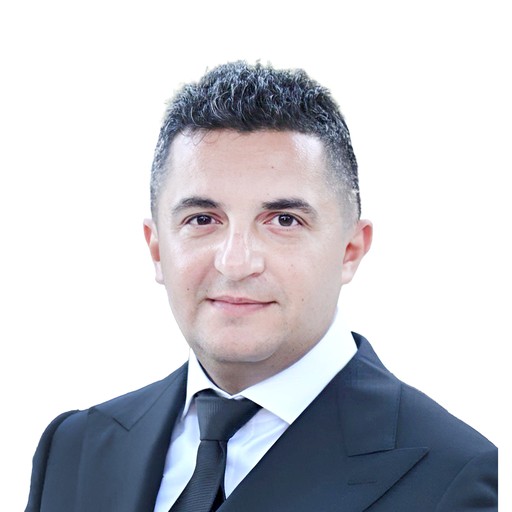
Alex Niyazov
Emmanuel Pinhasov
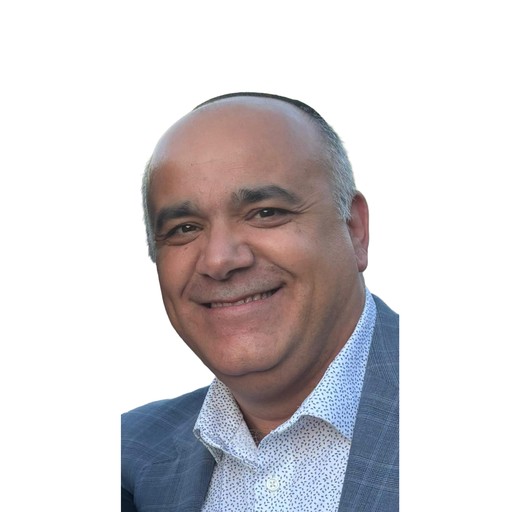
Gavriel Pinhasov
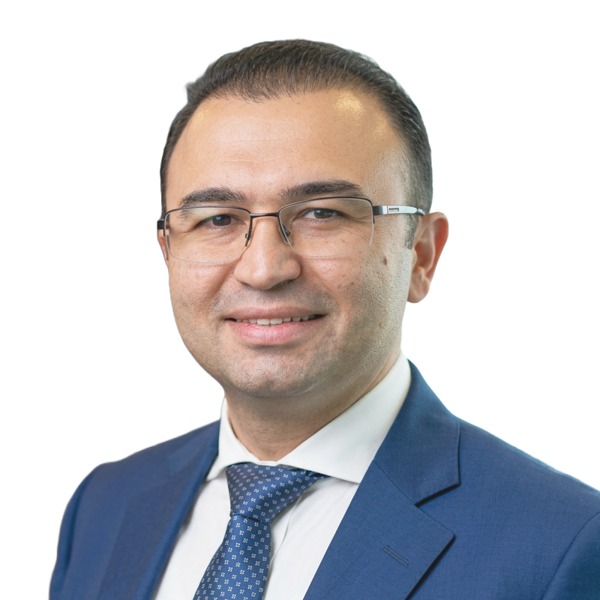
Shalom Rahminov
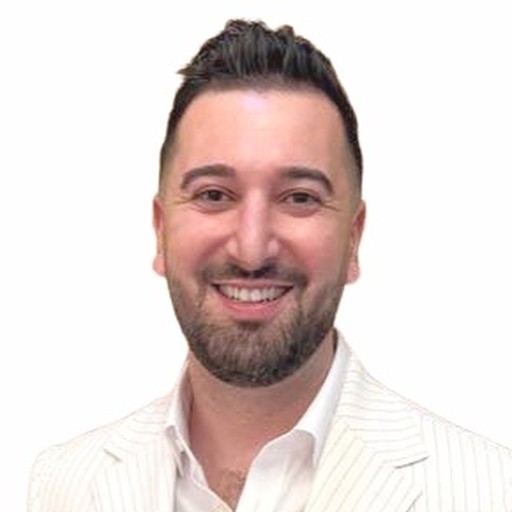
Michael Shalomov
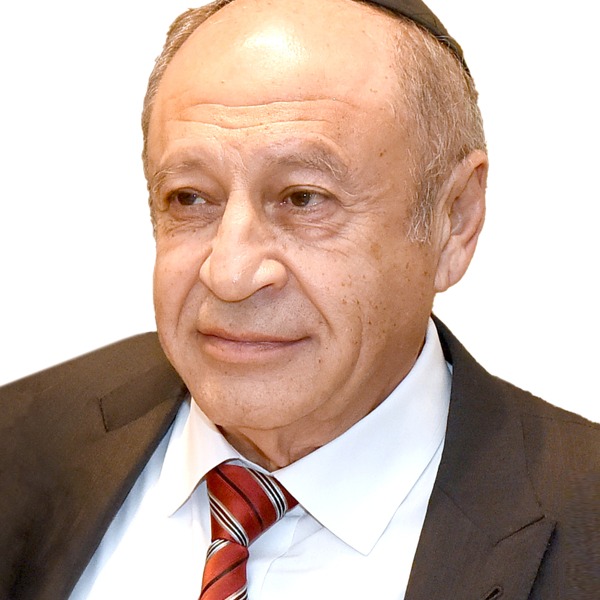
Yosef Yonatanov
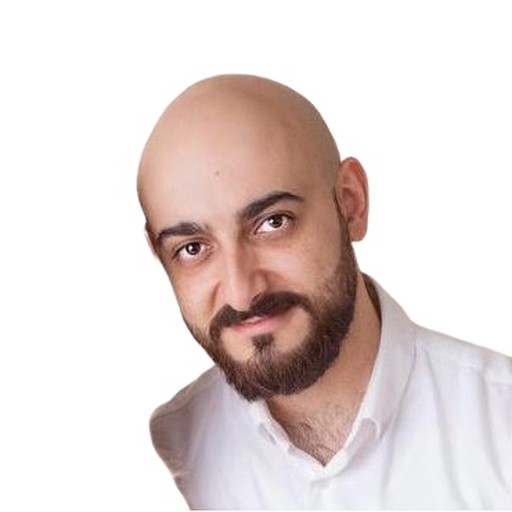
Gregory Yuabov
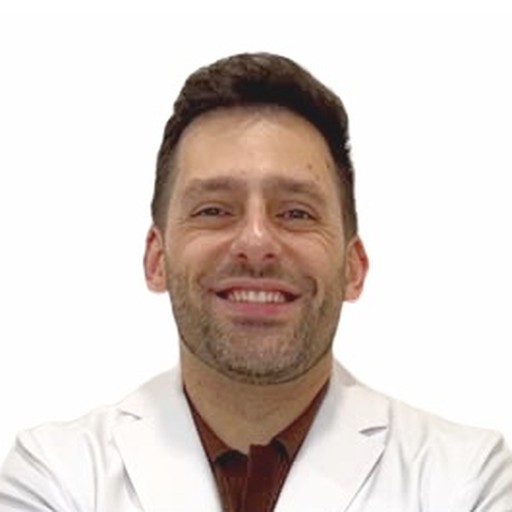
Dr. Gregory Yunov
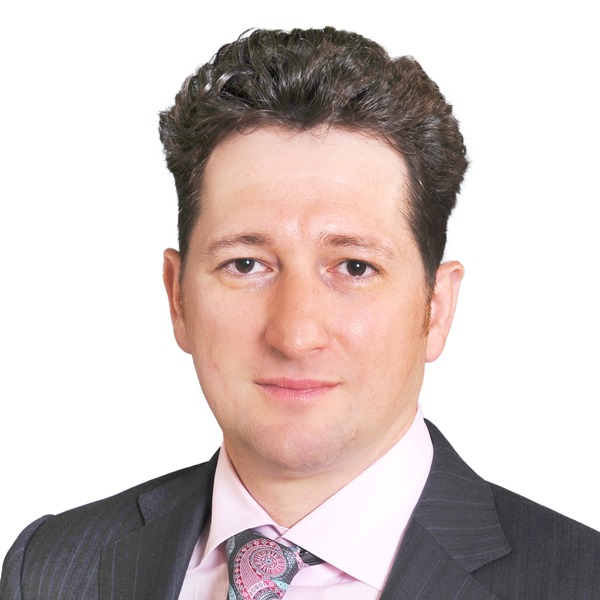
Michael Yusupov
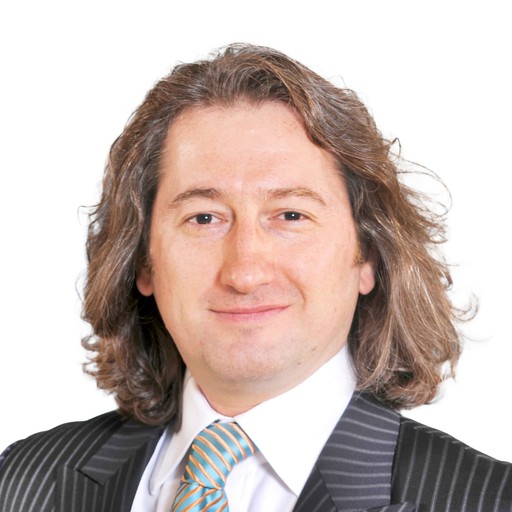
Eduard Yusupov
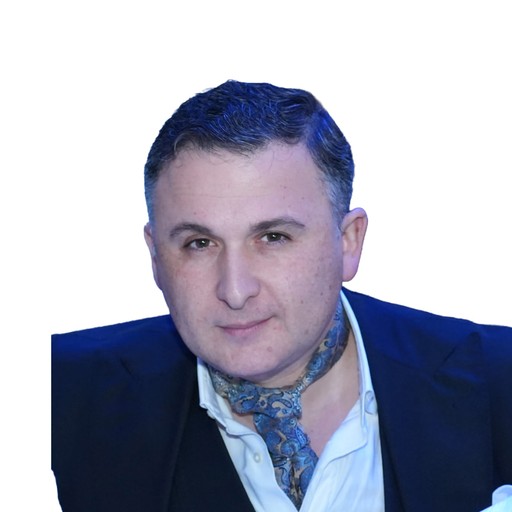
Ilya Zavulunov
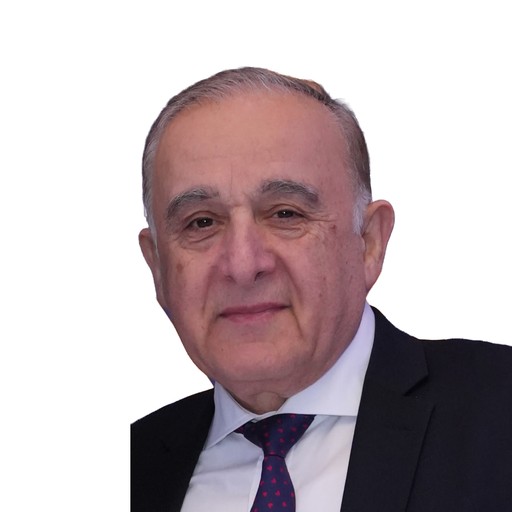
Michael Zavulunov
BJC at at Glance
Our Community. Our Reach. Our Impact.
A snapshot of our growing network, community engagement, and collective achievements.
52
Synagogues in Our Network
28 BJC Centers
19 Cities - 9 States
7
Community Leaders